Cross-Cultural Thanksgiving
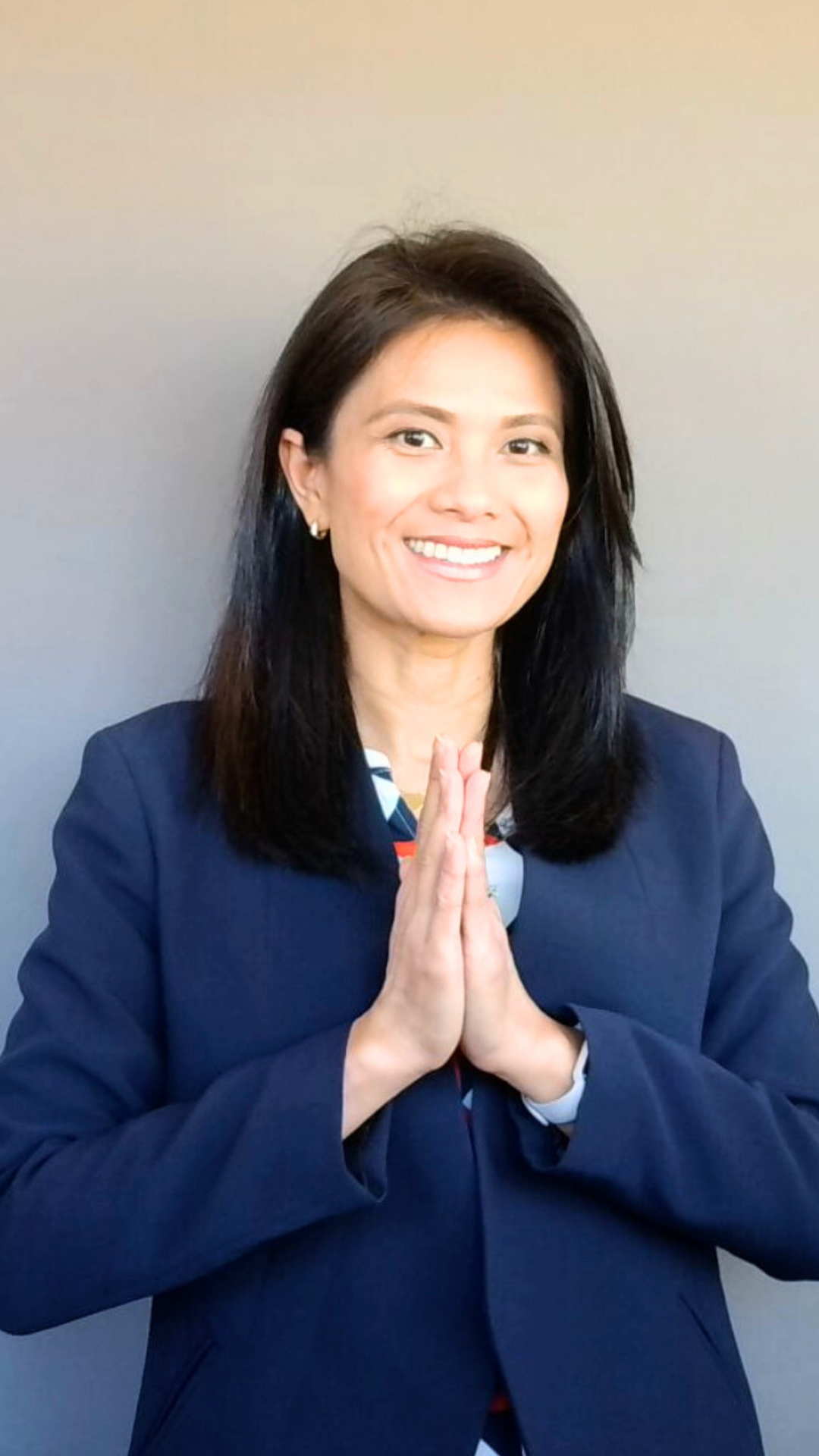
By Mary Matlock, Founder of Crosspoint Language Group
As we observe Thanksgiving in the United States, it’s a meaningful time to pause and reflect on gratitude — not only for what we have, but for the diverse communities we serve. For many of the families and individuals I work with as an interpreter, Thanksgiving becomes a beautiful blend of cultures, stories, and traditions. And what better way to celebrate that than with something warm, comforting, and uniquely cross-cultural?
The Heart of Thanksgiving
Though Thanksgiving has its roots in early American history, today’s observance looks very different from the 1621 harvest feast many of us learned about in school. The holiday became a federal observance in 1863 when President Abraham Lincoln, in the midst of the Civil War, called for a national day of “thanksgiving and praise.”
Over the last century and a half, Thanksgiving has evolved into a day where Americans — regardless of background — come together to reflect, reconnect, and express gratitude. Across tables where many languages are spoken, the core themes remain the same: thankfulness, togetherness, and generosity.
A Holiday That Bridges Cultures
What I love most about Thanksgiving is how inclusive it is. Unlike holidays tied to specific faith traditions, Thanksgiving invites everyone to participate. Gratitude is a universal language. It resonates whether spoken in Thai, Lao, English, or any of the many languages I encounter in my work.
Through Crosspoint Language Group, I’ve had the privilege of supporting newcomers adjusting to life in the U.S., families preparing for immigration interviews, and communities navigating legal or medical systems. I see firsthand how cultural identity is carried into these moments — and how holidays like Thanksgiving become opportunities to honor one’s heritage while embracing new traditions.
My Own Cultural Blend: A Thai-American Thanksgiving
Growing up with Thai roots and American experiences, I’ve always appreciated how food becomes the most natural bridge between cultures. In my family, Thanksgiving dinner might include traditional roasted turkey alongside Thai-style som tam (papaya salad) or larb. It’s never felt like a conflict. Instead, it’s a celebration of abundance in every sense.
One tradition I’ve developed over the years is my Thai Mint Hot Cider. It started almost by accident when I had fresh mint leaves (bai saranae) from our aquaponics and wanted to add them to the apple cider I was warming in the slow cooker. The result was magical: the bright, slightly sweet flavor of Thai mint elevated the familiar comfort of hot cider into something entirely new yet still recognizable.
This drink has become my personal symbol of what it means to live between cultures: honoring what’s familiar while bringing something unique to the table.

Thai Mint Hot Cider Recipe
This recipe serves 6-8 people and takes about 20 minutes from start to finish.
Ingredients:
- 1/2 gallon (64 oz) high-quality apple cider
- 1 cup fresh Thai mint leaves (bai saranae), loosely packed *
- 2-3 cinnamon sticks
- 4-5 whole cloves
- 3-4 star anise
- 1 medium orange, sliced into rounds
- 2 tablespoons honey (adjust to taste)
- Optional: 1-inch piece of fresh ginger, sliced thin
- Optional garnish: additional Thai mint sprigs and cinnamon sticks
*Thai mint ( bai saranae) has a slightly sweeter, more delicate flavor than regular mint. You can find it at Asian markets or your local H.E.B.
Instructions:
1. Combine apple cider, Thai mint, spices, orange slices, and ginger (optional) in a pot/instant pot over medium heat.
2. Bring to a gentle simmer (not a full boil).
3. Reduce heat and steep for 15–20 minutes.
4. Stir in honey to taste.
5. Strain and serve warm with fresh mint or cinnamon sticks.
Note: This cider can be made ahead and refrigerated for up to 3 days. Gently reheat before serving, being careful not to boil.
Why This Matters in Our Work
At Crosspoint Language Group, we bridge more than languages: we bridge worlds, stories, and cultural contexts. Every assignment reminds me how diverse and beautiful our communities are. Whether interpreting for a legal hearing, a medical appointment, a USCIS interview, or a business meeting, I see that gratitude shows up differently but sincerely across every culture.
Thanksgiving reminds us of this shared humanity. This week, as conversations happen around tables in Thai, Lao, English, and countless other languages throughout our communities, gratitude will be expressed in different words but with the same heartfelt meaning.
Whether you’re a longtime American observing family traditions, a newcomer experiencing your first Thanksgiving, or someone like me who straddles multiple cultural identities, this holiday offers space for all of us. It’s an opportunity to honor where we come from while celebrating where we are now.
A Toast to Gratitude
As you gather with family, friends, or your community, I encourage you to notice the ways culture shows up around your table — in food, in language, in stories, in the quiet moments of connection.
If you’re looking to try something new this year, I hope you’ll enjoy a warm mug of Thai Mint Hot Cider as much as my family does. It’s a small reminder that our traditions don’t compete with each other — they enrich one another.
From all of us at Crosspoint Language Group,
thank you for allowing us to serve, interpret, and support your important moments throughout the year.
🍁 Happy Thanksgiving!
About Crosspoint Language Group
Crosspoint Language Group provides professional interpretation and translation services specializing in Thai and Lao languages. We serve legal, medical, immigration, and business clients throughout Texas and nationwide, bridging communication gaps with cultural expertise and professional excellence.